Blog

null
Blog

How Do Autonomous Forklifts Work?

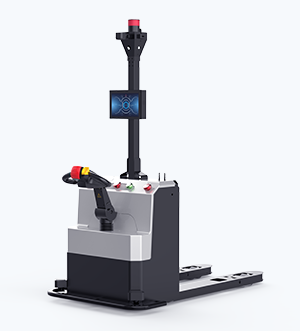
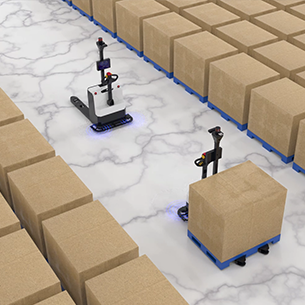
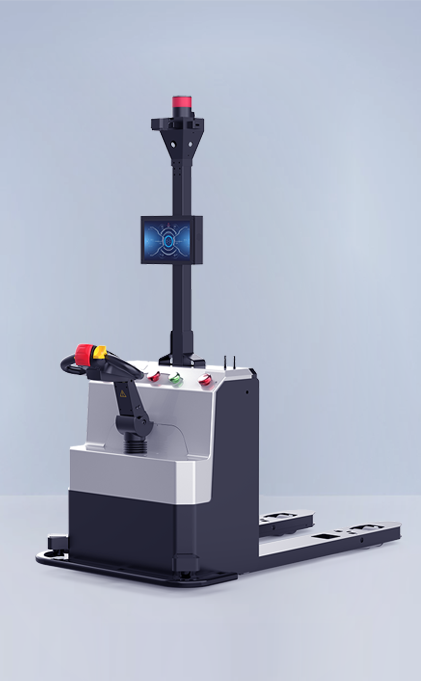
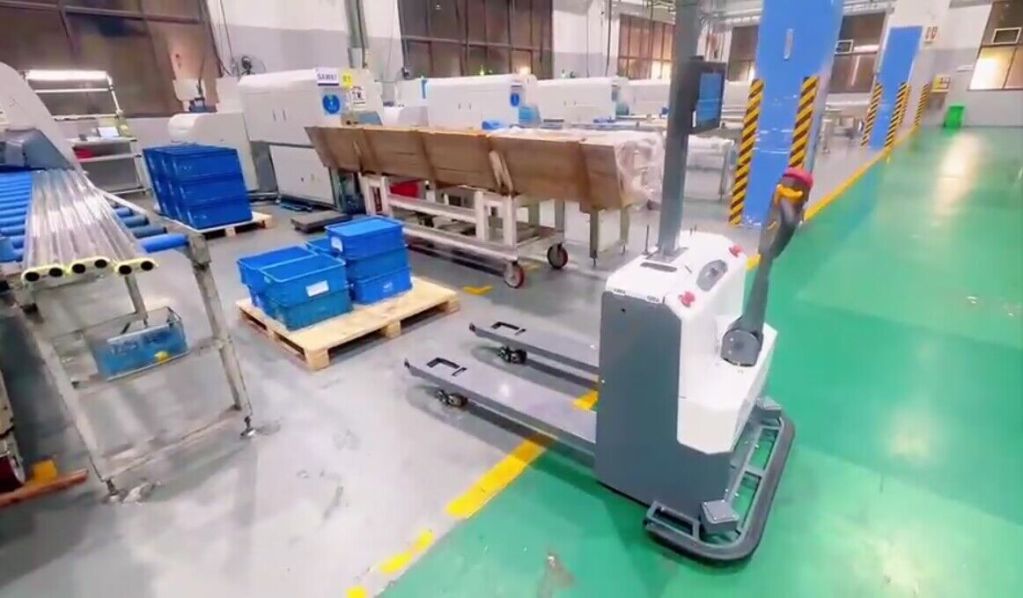
Autonomous forklifts, or unmanned forklifts, utilize technologies like automatic navigation, obstacle avoidance, and self-charging to enhance efficiency and safety in warehouses and factories. By reducing labor costs and minimizing errors, they significantly improve automation. Future trends include advanced sensors, AI integration, and expansion into new industries.

null
Blog

How Should Businesses Choose Autonomous Forklifts?

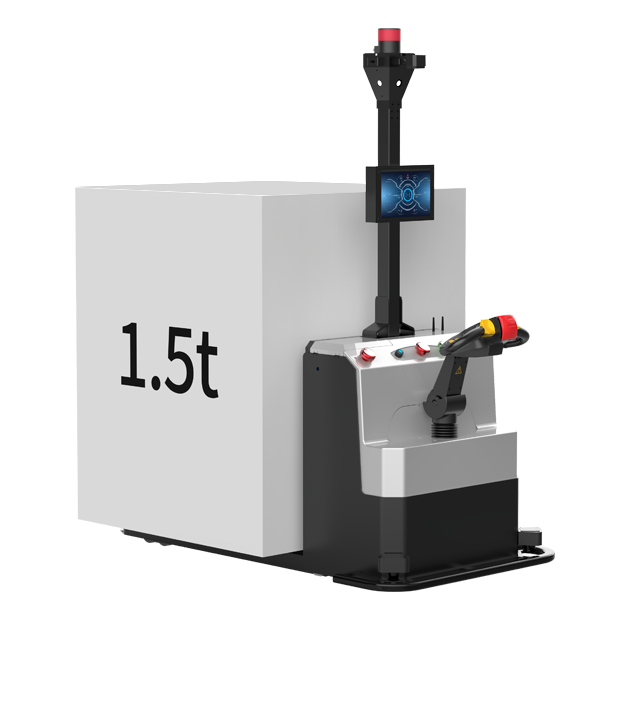
When choosing an **unmanned forklift**, businesses should focus on key factors such as the precision of automatic navigation, the sensitivity of obstacle avoidance systems, and the convenience of self-charging. Equally important are deployment flexibility, load capacity, system integration, after-sales support, and ROI to ensure the best fit for operational needs.

Blog

How to Choose the Right Mobile Robot for Your Material Handling Needs

This article provides a comprehensive guide to choosing the right mobile robots for material handling in industrial and logistics sectors. Learn how to identify your specific needs, understand the different types of mobile robots—AGVs, AMRs, and autonomous forklifts—and evaluate technical support and ROI for optimal decision-making.

null
Blog, Case, Factory

New Experience in Smart Logistics | Tieniu Under-Drive Robots Enhance Warehouse Transport Efficiency

This article explores how a large electronics manufacturer enhanced warehouse efficiency by implementing Tieniu under-drive robots. With 600 kg load capacity, precise navigation, and seamless WMS integration, the robots increased logistics efficiency by 40% and reduced manual handling errors by 50%, optimizing inventory management and shipping processes.

Blog, Case, Factory

Case Study: airobotmaker Transport Robots Enhancing Efficiency in a Garment Factory

This case study highlights how a garment factory improved production efficiency by 30% using airobotmaker Transport Robots. The robots, equipped with AMR technology, autonomously navigate production areas to transport fabrics, accessories, and finished garments. This automation reduced manual errors, shortened material transport times, and enhanced the overall supply chain continuity and production rhythm.

Scroll to Top
This site is registered on wpml.org as a development site. Switch to a production site key to remove this banner.